
Essential Guide to How Often You Should Clean Your Dryer Vent for Optimal Safety and Efficiency
- GJ Dryer Vents
- Dec 15, 2025
- 3 min read
Dryer vents often go unnoticed until a problem arises. Yet, keeping them clean is crucial for your home's safety and your dryer's performance. Clogged vents can cause longer drying times, higher energy bills, and even fire hazards. Knowing how often to clean your dryer vent can save you money and protect your home.

Why Cleaning Your Dryer Vent Matters
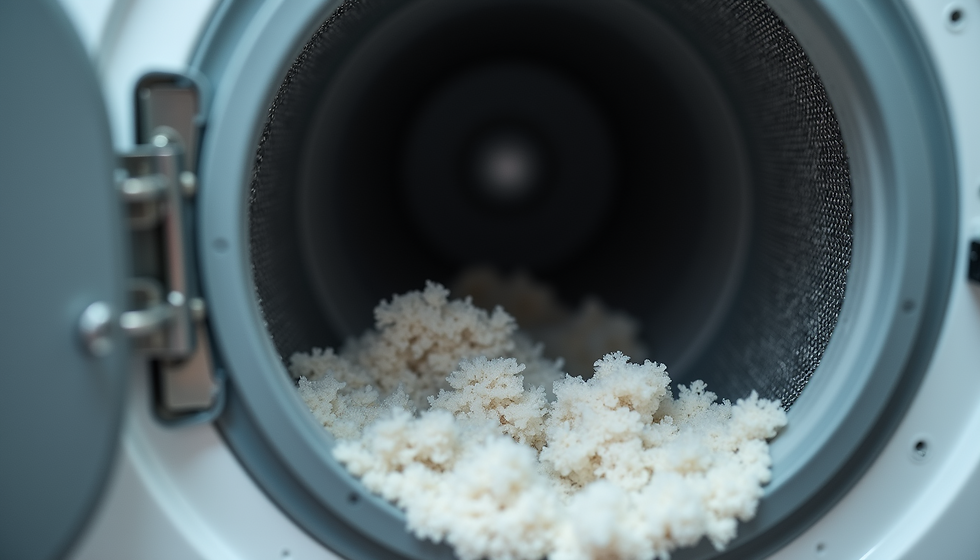
Dryer vents carry hot, moist air from your dryer to the outside of your home. Over time, lint and debris collect inside the vent, restricting airflow. This buildup causes your dryer to work harder, increasing energy use and wear on the machine. More importantly, lint is highly flammable and can ignite if it overheats.
Cleaning your dryer vent reduces:
Fire risk caused by lint buildup
Drying time and energy consumption
Wear and tear on your dryer’s components
Ignoring vent cleaning can lead to costly repairs or even dangerous fires. The U.S. Fire Administration reports thousands of dryer fires each year, many linked to clogged vents.
How Often Should You Clean Your Dryer Vent?
The general recommendation is to clean your dryer vent at least once a year. This annual cleaning helps maintain airflow and safety. However, several factors can require more frequent cleaning.
Factors That Require More Frequent Cleaning
Pets in the home: Pet hair can add to lint buildup, clogging vents faster.
Large families or heavy laundry use: More frequent drying cycles mean more lint accumulation.
Long or complex vent runs: Longer ducts or multiple bends trap more lint.
Older dryers or vent systems: Older equipment may produce more lint or have less efficient airflow.
Seasonal changes: Dryer use often increases in colder months, speeding up lint buildup.
If any of these apply, consider cleaning your dryer vent every 6 months or even quarterly for very heavy use.
Signs Your Dryer Vent Needs Cleaning
You don’t have to wait for a schedule to know when to clean your vent. Watch for these warning signs:
Clothes take longer than usual to dry
Dryer feels hotter than normal during use
Burning smell or unusual odors near the dryer
Dryer shuts off before the cycle ends
Visible lint around the dryer or vent opening
If you notice any of these, clean your vent immediately or call a professional.
How to Clean Your Dryer Vent
You can clean your dryer vent yourself or hire a professional. Here’s a simple DIY approach:
Unplug the dryer and pull it away from the wall.
Disconnect the vent hose from the dryer and the wall.
Use a vent cleaning brush or vacuum attachment to remove lint inside the hose and vent.
Clean the lint trap inside the dryer.
Reconnect the vent and dryer, then test the dryer.
For long or complicated vent systems, professionals have specialized tools to clean deep inside ducts.
Seasonal Considerations for Dryer Vent Cleaning
Dryer use often increases in fall and winter when outdoor drying is less practical. This means lint builds up faster during these months. Scheduling a vent cleaning before the cold season can improve dryer efficiency and reduce fire risk.
In spring and summer, dryer use may drop, but it’s still important to check vents regularly. Humidity and outdoor debris can also affect vent performance.
Benefits of Regular Dryer Vent Cleaning
Keeping your dryer vent clean offers several benefits:
Improved safety by reducing fire hazards
Lower energy bills due to more efficient drying
Longer dryer lifespan with less strain on parts
Faster drying times saving you time and effort
Better indoor air quality by preventing lint and moisture buildup
When to Call a Professional
If you notice persistent problems or have a complex vent system, professional cleaning is the safest choice. Professionals can:
Inspect the entire vent system for damage or blockages
Use specialized tools to clean deep inside ducts
Repair or replace damaged vent components
Provide advice on vent maintenance and safety
Hiring a professional at least once a year ensures your dryer vent stays in top condition.


Comments